“Bouncing Around the Room” — Phish
Their feel-good classic, live from Ruoff Music Center, July 10, 2026. Press play.

A new song and the story behind it. Roots, smooth jazz, and throwback cuts — handpicked by Will Boricua. Plus the store, the Vibe Machine, Borikén, and Grand Rapids weekend picks.
Their feel-good classic, live from Ruoff Music Center, July 10, 2026. Press play.
Deep cuts, forgotten favorites, and the voices the algorithm skipped. Long reads for people who still love the story behind the song.
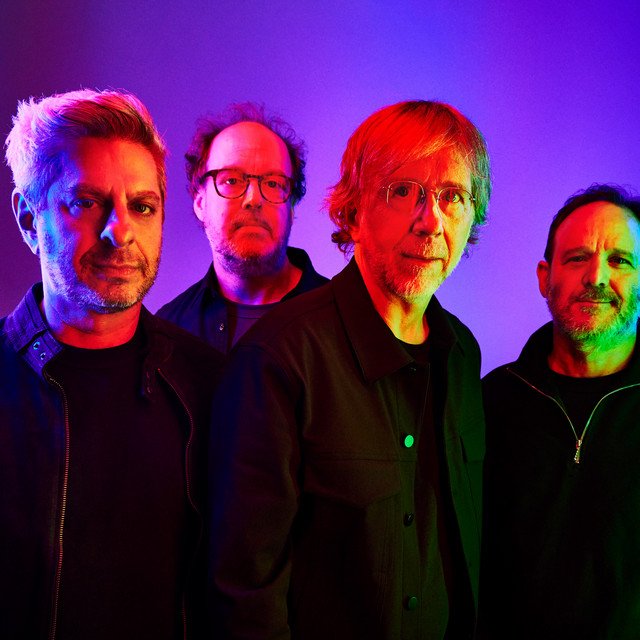
Phish is an American rock band from Burlington, Vermont. Formed in 1983, the band is guitarist Trey Anastasio, bassist Mike Gordon, keyboardist Page McConnell, and drummer Jon Fishman — all four sing, with Anastasio on lead. They are a jam band: their concerts are built on long improvisation, where a song can stretch into something that only exists that one night, and their following has grown by word of mouth and the trading of live recordings into one of the most devoted fan bases in music.
 Will Boricua pick
It started in a college cafeteria. On December 2, 1983, at the University of Vermont in Burlington, Trey Anastasio, Jeff Holdsworth, Mike Gordon, and Jon Fishman played their first show — classic rock covers, including two Grateful Dead songs. Page McConnell joined on keyboards in 1985. Holdsworth left in 1986, and the four who remain have been the same four ever since. They named themselves Phish — after the sound of a brush on a snare drum, after Fishman’s nickname, after an airplane taking off. The band has told it different ways. They learned their trade playing dozens of nights at Nectar’s, a bar in downtown Burlington, and years later they named an album for the man who owned it: A Picture of Nectar, with his face on the cover, on an orange.
Their music blends rock, funk, jazz, bluegrass, country, reggae, psychedelic rock, and pop. But the real sound is the jam. They take a song and stretch it, bend it, and build it into something that only exists that one night. Trey and Mike jumping on mini-trampolines mid-song. Fishman stepping out from behind the drums to play a vacuum cleaner like an instrument. A secret language with the crowd — a Simpsons riff gets a “D’oh!” back from ten thousand people. Giant beach balls bounced back from the crowd, each bounce playing a note. On Halloween they dress up as another band entirely — one year the Beatles’ White Album, another year the Who’s Quadrophenia. No two Phish shows are ever the same.
In January 1989, a Boston club refused to book them, so they rented the room themselves — and a caravan of fans drove in and sold it out. That was the breakthrough. Since then they have played more than 2,000 shows. The crowds kept coming: 70,000 at their first festival, the Clifford Ball, in 1996 — the biggest single concert in America that year. 75,000 at Big Cypress, where they played eight hours straight through sunrise on New Year’s Day 2000. Rolling Stone later named Big Cypress one of the 50 greatest concerts of the last 50 years.
They walked away twice — a hiatus in 2000, a breakup in 2004 — and came back in 2009, and the crowds came back with them. More than 8 million albums sold in the United States, built almost entirely on the live show. In the summer of 2017 they played 13 nights at Madison Square Garden — the Baker’s Dozen — 237 songs, and not one repeated. A championship banner hangs in the Garden’s rafters now, and the mayor named August 6 “Phish Day.” In April 2024 they played four nights at Sphere in Las Vegas, only the second act ever to play the room. In 2026 they came back for nine nights — and didn’t repeat a song once. Eighty-three sold-out shows at the Garden since their debut there in 1994.
The songs tell it. “Possum” — written by Jeff Holdsworth, the guitarist who left in 1986, and still a live favorite forty years later. “Free” — their biggest chart song, from Billy Breathes (1996). “Sample in a Jar” — from Hoist (1994), 1.9 million views on YouTube. “You Enjoy Myself” — their signature song, from Junta (1989). And today’s pick, “Bouncing Around the Room” — from Lawn Boy (1990).

“Possum” — live from Van Andel Arena, Grand Rapids, with Billy Strings sitting in. The live favorite. Watch on YouTube

“Free” — 1.3 million views — from Billy Breathes (1996). The one that lets loose. Watch on YouTube

“Sample in a Jar” — 1.9 million views — from Hoist (1994). Short, sharp, catchy. Watch on YouTube

“You Enjoy Myself” — from Junta (1989). The jam that never ends the same way twice. Watch on YouTube
 Will Boricua pick
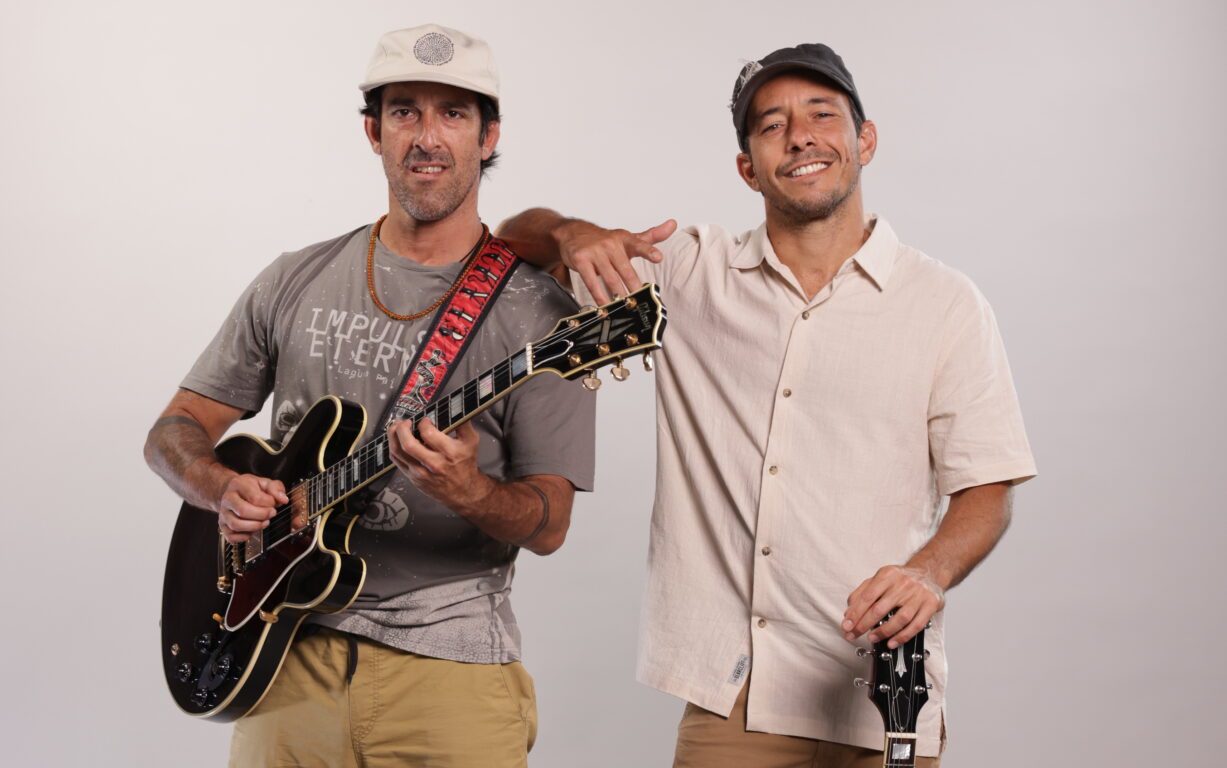
Laguna Pai formed in Lima, Peru, in 2008 — a reggae band with something different in their blood. They call it “mestizo reggae”: Jamaican roots mixed with Latin American rhythms, rock energy, and Andean soul. Lead singer Mariano Palacios writes songs about freedom, justice, and the earth — music with weight behind it.
Their debut album, Kultura Babylon (2010), announced them to the Latin American reggae scene. The title track became an anthem. Then came “Canales” — 21 million views on YouTube, their biggest song. “Libertad” carries their message of freedom: put a fence in front of us and we'll climb it, put up a wall and we'll knock it down. If on the other side are our dreams, if on the other side is our freedom — we come from ancestors with warrior souls.
“Falsos Maestros” — false teachers — takes on those who mislead, those who claim authority they haven't earned. It's direct, it's conscious, it's Laguna Pai at their sharpest. From Lima to Rototom Sunsplash in Spain, they've carried this sound around the world: reggae with roots in two continents, singing in Spanish, playing for the people.

“Falsos Maestros” — the official video, 24 million views — calling out the false teachers. Watch on YouTube

“Kultura Babylon” — from the 2010 debut — the anthem that started it all. Watch on YouTube

“Libertad” — the freedom song — for everyone climbing the fence. Watch on YouTube
Mongo Santamaría is one of my favorite artists of all time. I play conga — my dad plays congas too. I just love his style. He takes our Latin rhythm, that Cuban rhythm, and mixes it with jazz. He brought class to mambo music.
 Will Boricua pick
Ramón “Mongo” Santamaría was born in Havana in 1917 and grew up with the drums in his blood. He came up playing in the streets and the dance halls of Cuba, learning the deep Afro-Cuban rhythms that had been carried across the ocean generations before. By the time he reached New York in 1950, he carried something nobody in American jazz had ever heard up close — and he was about to change the sound of everything.
He started with the giants — Dizzy Gillespie, Tito Puente, Cal Tjader — but Mongo was never just a sideman. He heard how the conga could lead, not just follow. In 1959 he wrote “Afro Blue,” and jazz had a new rhythm in its bones. That 6/8 groove — deep, rolling, ancient and brand new at the same time — became a standard. John Coltrane recorded it. Everybody recorded it. It started with Mongo's hands.
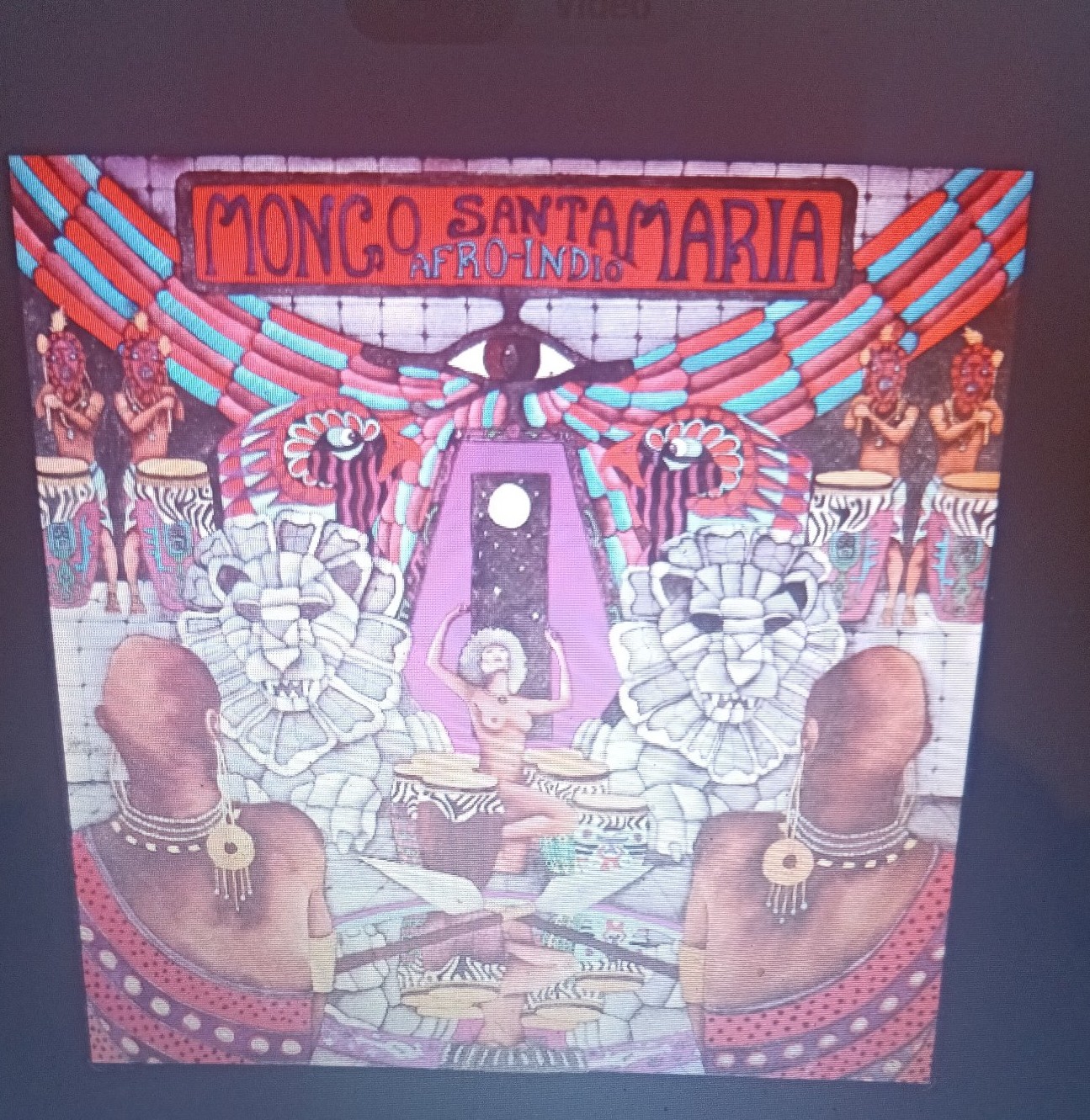
Then came 1963 and “Watermelon Man.” Herbie Hancock wrote the tune, but Mongo heard the party inside it. His version — congas up front, the whole band swinging behind them — broke into the Top 10 and brought Latin soul to radios that had never played anything like it. He kept going for decades after that: the Fania years, the soul-jazz records, the return to his Afro-Cuban roots on albums like Afro-Indio. Through all of it, that touch never left — warm, deep, unmistakable. When Mongo played, the congas didn't keep time. They told the story.
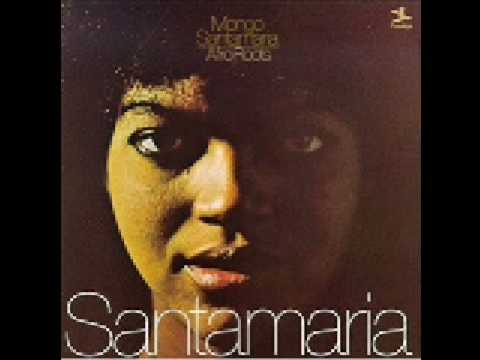
“Afro Blue” — the one he wrote — the jazz standard that started it all. Watch on YouTube

“Sofrito” — from 1976 — smooth, deep, and full of soul. Watch on YouTube

“Watermelon Man” — the 1963 hit — the groove that broke through to the Top 10. Watch on YouTube
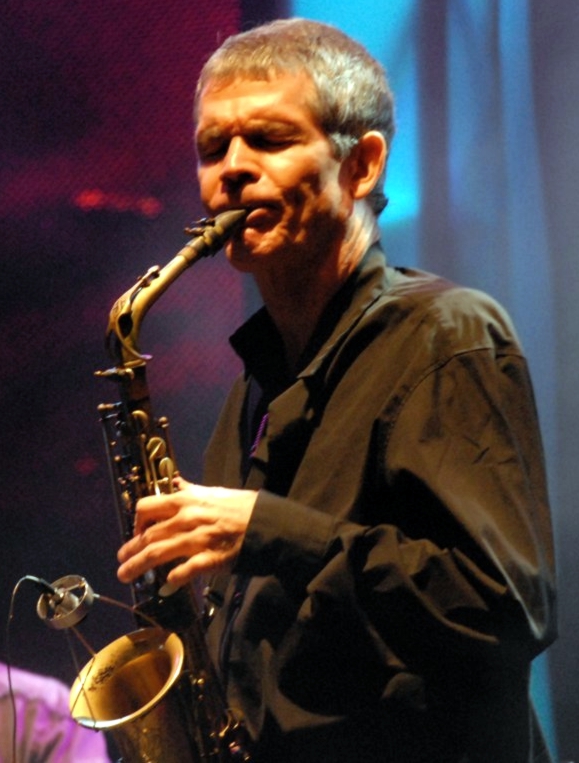
“One in a Million” is exactly what the name says — one in a million. David Sanborn is one of my favorites of all time. I learned about him from my dad — he played him all the time when I was growing up. To me, Voyeur is the best album he ever made. Put it on a good system, sit back and relax.
 Will Boricua pick
David Sanborn came up playing with the best — Stevie Wonder, David Bowie, Paul Simon — before stepping out front in 1975. His alto sax sings like a voice, blending jazz with R&B in a way nobody had done. In 1981 came Voyeur: Marcus Miller on bass, Steve Gadd on drums, and the Grammy for “All I Need Is You.” Sit down, press play, let it run.
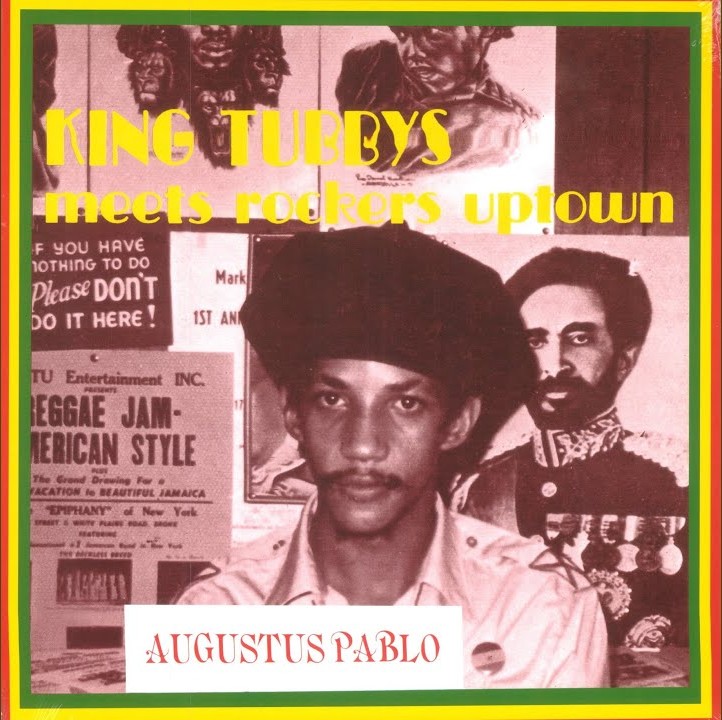
In my opinion, King Tubby Meets Rockers Uptown is the number one dub album of all time — DancehallMag says the same thing. My good friend Rasta put this music in my hands about 15, 20 years ago, and I have been a great fan ever since. To me his music is mellow, chill, relaxing — real quality music, the kind you can sit down and play from top to bottom and enjoy the whole thing.
 Will Boricua pick
So let me tell you about the man behind that sound.
He was born Horace Swaby in St. Andrew, Jamaica, in 1954. At Kingston College he learned the organ, and a classmate lent him a melodica — an instrument made for schoolchildren to learn on. He rarely put it down again. Producer Herman Chin Loy heard the young man play and gave him the name that fit the sound: Augustus Pablo.
And what a sound it is. His melodica sings in minor keys, played the way a horn player plays — short, floating phrases with room to breathe, the notes bending with his breath and melting into echo. Underneath it, the bass holds everything up like the ground itself. The melodies circle and hang in the air instead of landing, and that sweet ache became his signature. The New York Times' Jon Pareles heard it early and wrote it plain: “haunting, minor-key tunes with sparse lines for melodica, floating above deep bass lines and echoing keyboards.” Nobody played simple like Pablo — and simple, in his hands, went deep. He built his rhythms around the instrument itself, so the whole track was made to carry that one floating voice. That is why it feels the way it feels when you play it: calm on top, deep underneath, and it just carries you.
In 1972, at just 18, he went into the studio with his school friend Clive Chin and cut “Java.” It was a smash, voted Jamaica's top instrumental of the year, and it launched his solo career. Then he built his own house: Rockers International, his record label, named after his brother Garth's Rockers sound system. Under that roof he produced Jacob Miller, Junior Delgado, and a teenage Hugh Mundell — lifting the next generation up with him.
Then, in 1976, came the album I started this story with: King Tubby Meets Rockers Uptown. Pablo produced the music and played the melodica; King Tubby mixed it at his own custom-built desk, sending the voices drifting in and out of echo until the singing turned to pure spirit. The band behind them was all class: Aston “Family Man” Barrett and Robbie Shakespeare on bass, Carlton Barrett on drums, Earl “Chinna” Smith on guitar. Island Records loved the dub so much they put it on the A-side, ahead of the vocal. The honors have never stopped since: Rolling Stone ranks the title song among the greatest songs ever made, and Mojo magazine placed this album and East of the River Nile at number one and number two on its 50 Greatest Reggae Albums of All Time.
The sound keeps traveling. His son Addis Pablo plays the melodica on stages around the world today, and his daughter Isis Swaby keeps the Rockers International sessions alive. A borrowed school instrument, a quiet young man from St. Andrew — and a sound the whole world still leans into.
So take it from me: sit down, press play, and let it run from top to bottom. That is how this album is meant to be heard.

“Keep On Dubbing” — the opening track of King Tubbys Meets Rockers Uptown — melodica floating over King Tubby's echo. Watch on YouTube

“Pablo's Express” — a deep Rockers cut — one floating voice over deep bass. Watch on YouTube

“Far East” — the closing door — minor-key melodica, deep bass, pure meditation. Watch on YouTube
Some musicians are made in schools. Alfa Mist made himself — teaching himself piano by ear in East London and building one of the freshest sounds in jazz today, a sound that has carried him all the way to the Royal Albert Hall.
 Will Boricua pick
He was born Alfa Sekitoleko in 1991 and raised in Newham, East London, the son of a Ugandan family. Music was not the first dream — football was. He played for Torquay United's under-16 team and wanted to go professional, but his mother wanted him to finish college first. He went to Langdon Academy and Newham Sixth Form College, where he took a BTEC in music composition alongside his A-levels.
At 15 he started producing hip-hop beats. Digging for samples led him to jazz, and after watching his music tutor play John Legend's “Ordinary People,” he sat down at the piano and taught himself — no lessons, just ear, patience, and work.
In 2015 he released his first EP, Nocturne, on his own. Two years later came Antiphon (2017), the breakthrough — the album with “Keep On” and “Brian” on it, two of the most loved recordings in modern jazz. The full-album video alone has been watched millions of times. He followed it with Structuralism in 2019 and the On My Ones EP in 2020, releasing everything on Sekito, the label he founded and still runs himself to put out his music and support other artists.
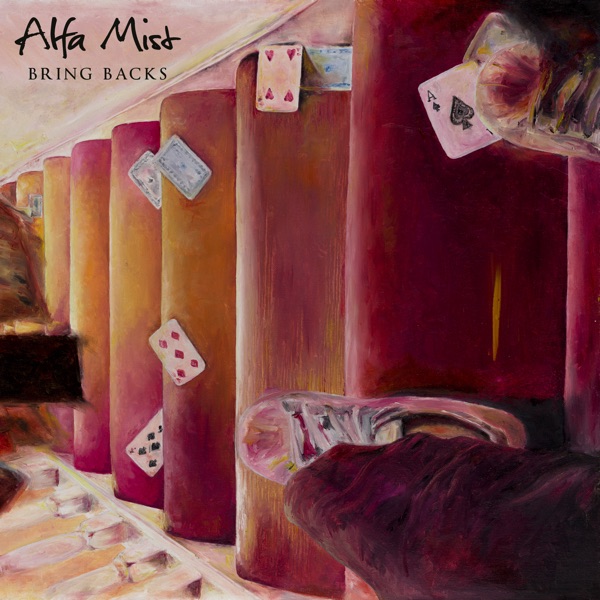
In 2021 he signed with the American label ANTI- and released Bring Backs, the most personal record of his life — a journey through his own upbringing in East London. It opens with “Teki,” rides through “People,” his duet with singer and bassist Kaya Thomas-Dyke, and closes with today's pick, “Organic Rust.” That year he performed at the We Out Here festival and was nominated for a MOBO Award.
The work never stops. Variables arrived in 2023, then a live album with the Amika Quartet in 2024, and in October 2025 his sixth studio album, Roulette — a fifteen-track journey built around one big question: if reincarnation were real, what would we do with what we remember? He celebrated it at London's Royal Albert Hall, performing with a full orchestra.
He is also half of 2nd Exit with Lester Duval — that's where “If You Wouldn't Mind” comes from — and part of 44th Move with drummer Richard Spaven. Along the way he has worked with Jordan Rakei, Yussef Dayes, and Tom Misch, produced for rapper Loyle Carner, and composed for the London Contemporary Orchestra. His band — Kaya Thomas-Dyke on bass, Jas Kayser on drums, Jamie Leeming on guitar, Johnny Woodham on flugelhorn, and Samuel Rapley on saxophone and bass clarinet — is one of the tightest young bands in jazz.
Hip-hop taught him rhythm. Jazz taught him freedom. Alfa Mist never let go of either one — and that's why his music feels the way it does: smooth, soulful, and completely his own.

“Keep On” — his signature song, the most-played track from Antiphon. Watch on YouTube

“If You Wouldn't Mind” — Alfa Mist with Lester Duval, as 2nd Exit. Watch on YouTube

“Brian” — the other Antiphon favorite. Watch on YouTube

“People” — featuring Kaya Thomas-Dyke, from Bring Backs. Watch on YouTube
One of my favorite reggae artists — a kid from Madrid who took the sound of Jamaica and carried it all over the world.
 Will Boricua pick
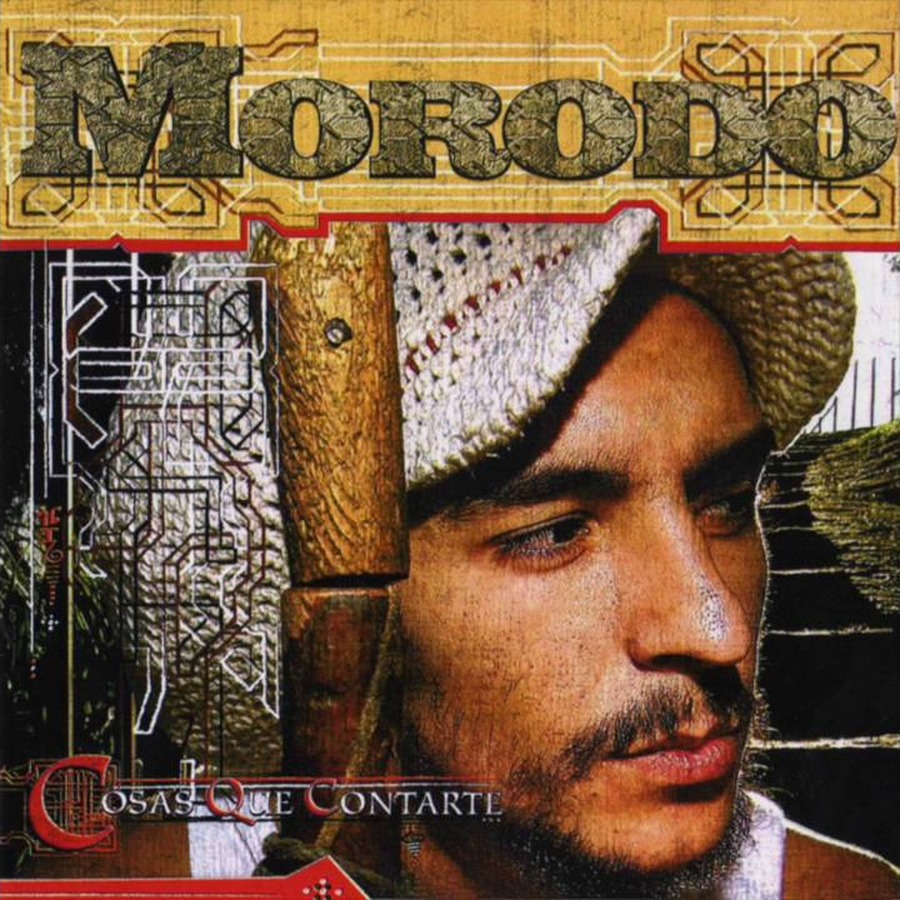
Morodo is one of my favorite reggae artists, and I can't fully explain why — you have to hear him. Reggae roots, straight out of Spain — and he has carried that sound all over the world. This is Will Boricua, and today we honor Morodo.
His real name is Rubén David Morodo Ruiz, born December 1, 1979, in Madrid, raised in the Alameda de Osuna neighborhood. At fourteen years old he was already standing out in hip hop jams all over Spain, because he carried two loves at once: rap, and the music of Jamaica.
And his style — his style is the whole story. They call it rap-ragga. One moment he is singing smooth over a heavy roots riddim, and the next moment the words come rapid-fire like a dancehall deejay, that raspy voice of his riding right on top of the bass. He took the styles of Jamaica and rebuilt them in Spanish, and he never lost the roots doing it. Put on “La Yerba del Rey” or “Mas Yama” and you hear it in the first ten seconds: this man was born to ride a riddim.
He came up with the OZM crew from his own neighborhood, cut his first record in 1999, and in 2001 released his solo debut, OZMLStayl. Then came the album that carried him to the world: Cosas Que Contarte (2004). It sold more than sixteen thousand copies and sent him on the road for years — Spain, Europe, Puerto Rico, and all through Latin America, where the Spanish-speaking reggae world claimed him as one of its own. His road work carried a mission, too: the One Love Tour set out to help the places that needed it most in every city he played.
His songs carry that same heart. “Yo me pregunto” asks the big questions. “Querido enemigo” reaches a hand out to an enemy. “Divina Ciencia” gives thanks for the gift of the music itself. Five albums and dozens of collaborations later, from OZMLStayl to Luz (2020), Morodo stands as a founding father of reggae en español — a kid from a Madrid barrio who gave Jamaica's sound a Spanish voice, and carried it to millions.

“Querido enemigo” — his biggest song — a hand reached out to an enemy. Watch on YouTube

“Yo me pregunto” — the song that asks the big questions. Watch on YouTube

“Mas Yama” — ten million plays and counting — pure Morodo style. Watch on YouTube

“La Yerba del Rey” — an early anthem; hear the rap-ragga style in the first ten seconds. Watch on YouTube
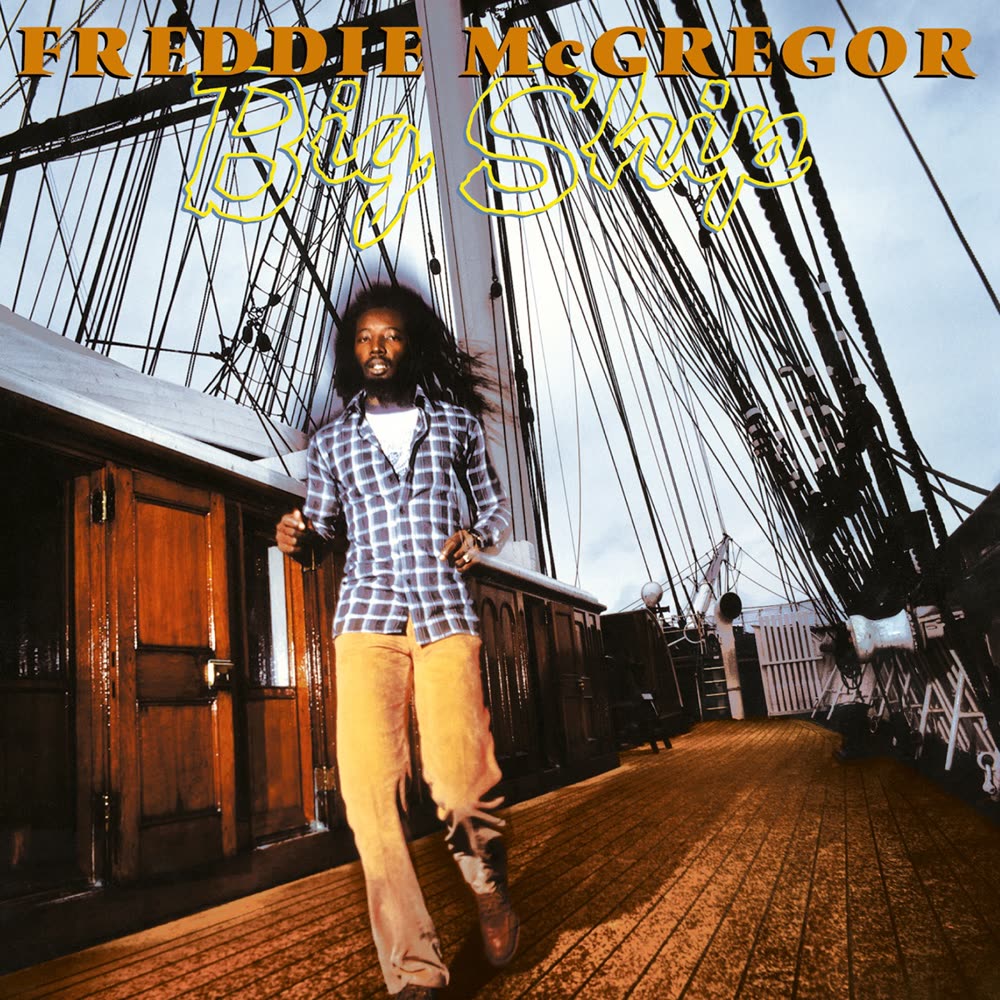
Sixty years at the microphone, a label of his own, and a family carrying the name forward — this is the Captain's story.
 Will Boricua pick
Picture a seven-year-old boy walking into the most famous studio in Jamaica — so small that to sing into the microphone, he has to stand on a beer crate. That was Freddie McGregor in 1963, and Jamaica has been listening to him ever since.
They called him “Little Freddie.” He had come to Studio One with Ernest Wilson and Peter Austin of the Clarendonians, and the great Coxsone Dodd kept him close. Growing up inside that studio, Freddie learned the music from the inside out: singing harmonies, playing drums behind other artists, soaking up every session like it was school. It was.
When Freddie embraced Rastafari in 1975, his music grew roots. “Bobby Babylon.” “I Am a Rasta.” Songs with weight and purpose, sung in a voice warm as Sunday morning — smooth enough for lovers rock, strong enough for the toughest roots session. Few singers in reggae history have ever covered both like he can.
Then, in 1982, one song gave him his name for life. “Big Ship” sailed across Jamaica and out into the world, and Freddie McGregor became “The Captain” — the name fans still call him today. A captain builds his own ship, so in 1983 Freddie founded the Big Ship label and started producing the next generation: Luciano, Mikey Spice, Papa San. His own hits kept coming too: “Push Comes to Shove,” and a lovers rock gem, “Just Don't Want to Be Lonely,” that climbed into the UK Top 10 in 1987.
And then there's the song that says it all. “I Was Born a Winner” is Freddie McGregor in one line — not bragging, just certain. This is a man who decided who he was while standing on a beer crate, and then spent sixty years proving it. When Freddie sings it, you don't just hear a song. You hear a life that kept its promise.
The honors followed the work, the way they should. Jamaica gave him the Order of Distinction in 2003. His album Anything for You earned a Grammy nomination. He received a Marcus Garvey Lifetime Achievement Award. And the music stayed right in the family: his children Stephen “Di Genius,” Daniel “Chino,” and Yeshemabeth all carry the McGregor name into the next era, with their father — singer, producer, chairman of the Jamaica Reggae Industry Association — as their mentor.
More than sixty years after that beer crate, the Captain is still at the wheel, still recording, still sailing. Born a winner. Still winning.

“I Was Born a Winner” — today's pick, the anthem — the studio recording, the best sound there is. Watch on YouTube

“Big Ship” — the signature song that made him the Captain. Watch on YouTube

“Just Don't Want to Be Lonely” — his UK Top 10 lovers rock classic. Watch on YouTube
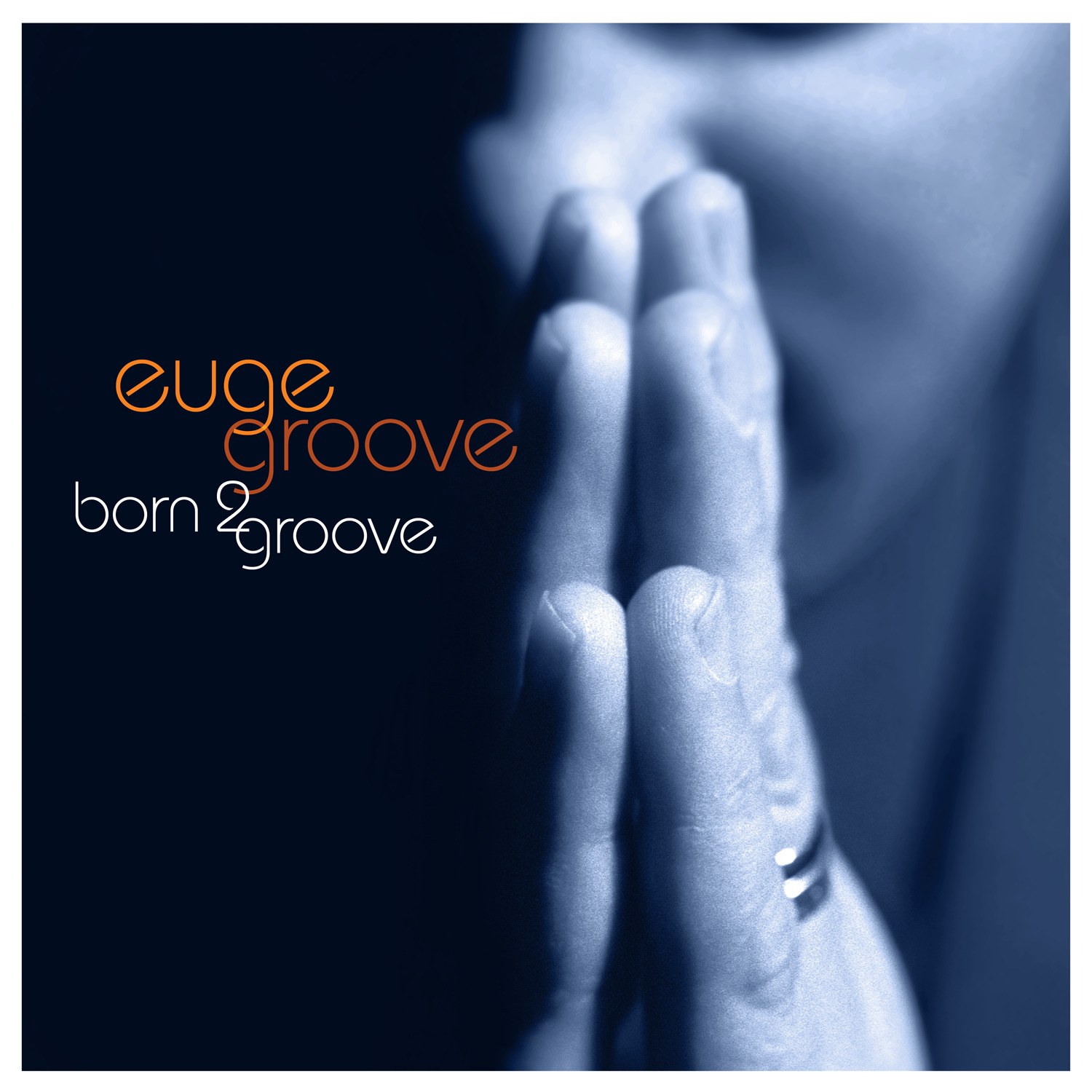
He played the solo on a number-one hit before the world knew his name, held the saxophone chair in Tower of Power, and toured with Tina Turner — then built a solo career on his own terms, one smooth groove at a time.
 Will Boricua pick
Steven Eugene Grove was born on November 27, 1962, in Hagerstown, Maryland. Music got him early — piano lessons in second grade, then the saxophone at about nine years old, and the horn never left his hands. He studied at the University of Miami's School of Music, graduating in 1984, and in Miami the jazz bug bit for good.
After school, Grove became one of the busiest saxophone players in Miami's session scene — and then came the moment millions heard without knowing his name: his saxophone solo rides on Exposé's “Seasons Change” — the single came out in 1987 and climbed all the way to number one in February 1988. From there the doors kept opening. He stepped into Tower of Power, taking the saxophone chair Richard Elliot left behind, and held it down for about four years with one of the funkiest bands on earth.
When the biggest stages needed a saxophone, they called him. Joe Cocker. Eurythmics. The Gap Band. Huey Lewis & the News. Elton John. Bonnie Raitt. Aaron Neville. His horn is on Richard Marx's 1991 hit “Keep Coming Back,” and he toured in Tina Turner's band. That's not a résumé — that's a who's who of modern music, and he earned his place on every page of it.
And that name? “Euge Groove” — a playful reworking of his own name — was dreamed up by his mother-in-law, as he told it in a 2006 XM Radio interview. The best stage names come from the people who love you first.
First the world heard his saxophone. Then it learned his name.
In May 2000 he stepped out front with his debut solo album on Warner Bros. — and the groove rolled on: a run of Top Ten Billboard jazz albums, including Born 2 Groove (2007), House of Groove (2012), and Groove On! (2017), then Sing My Song (2020) and Comfort Zone (2023). Track four on Born 2 Groove is today's pick — “Slow Jam” — a smooth jazz hit that says everything about his sound in one song: warm, patient, and impossible to rush.
And he's still out there doing it live. Euge Groove is on tour this fall, and this Friday, October 16, at 7:30 PM he plays The Ludlow Garage in Cincinnati — five days after this Smooth Sunday. A Smooth Sundays salute to the man himself, right on time.
Press play on “Slow Jam,” let the week slow down, and hear why the biggest names in music kept his number close. The groove was born in him — the album title told the truth.

“Slow Jam” — today's pick, from Born 2 Groove. Watch on YouTube

“Born 2 Groove” — the title track, pure groove from the first note. Watch on YouTube

“To the Nines” — from S7ven Large (2011), dressed all the way up. Watch on YouTube
He wrote the hits, built the label, and launched the stars — 13 Grammy Awards, 26 number-one R&B hits, and songs behind more than 800 million records sold.
 Will Boricua pick
Kenneth Edmonds started in Indianapolis, Indiana — the fifth of six brothers, a shy young musician who wrote songs to express what he couldn't say out loud. As a teenager he played with funk legend Bootsy Collins, who looked at the young guitarist and gave him the name the world would know: Babyface. From there he joined The Deele alongside Antonio “L.A.” Reid, learning the business from inside a working band.
In 1989, Edmonds and Reid made the decision that changed R&B: they founded LaFace Records in Atlanta. LaFace became the launchpad for Toni Braxton, TLC, Usher, Outkast, P!nk, and Ciara — a generation of stars built on the foundation of two producers who understood songs. While other artists chased the spotlight, Babyface mastered every seat at the table: writer, producer, label founder, and solo artist in his own right.
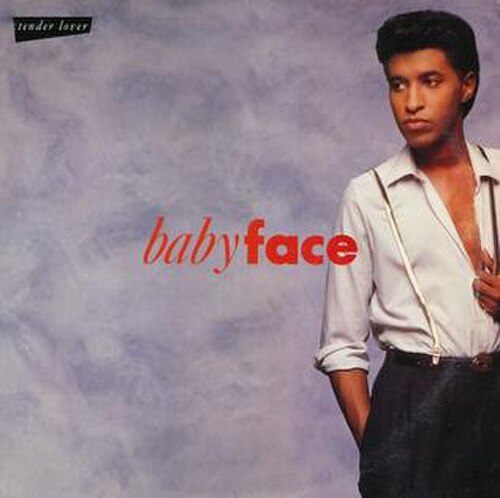
His solo catalog proves the point. His 1989 album Tender Lover went triple platinum, and its single “Whip Appeal” — today's pick on Will Boricua, in the 12-inch version up top — climbed to number six on the Billboard Hot 100 and number two on the R&B chart, earning a Grammy nomination. Listen closely to that record and you can hear family in it: his brothers Melvin and Kevon Edmonds, the voices of After 7 — who also appear on today's Throwback Friday list — sang backing vocals on the album.
The respect followed the work. Edmonds is a seven-time BMI Pop Songwriter of the Year, an inductee of the Songwriters Hall of Fame, and a Hollywood Walk of Fame honoree. His hometown renamed a 25-mile stretch of Interstate 65 the Kenneth “Babyface” Edmonds Highway. He has also put his success to work for others, raising funds for families through The Little Blue House in Washington, D.C., and donating $100,000 of his own money to VH1's Save the Music program. A documentary film on his life and career is in production now — one more chapter for an artist still being written about because he never stopped writing.
The person holding the pen can shape an entire era.
He wrote the songs, built the label, launched the stars — and his own voice, smooth and unmistakable, carried hits of its own. Decades later, press play on “Whip Appeal” and you'll hear why one quiet architect from Indianapolis still stands at the center of modern R&B.
Today's pick up top is the 12-inch — straight into the song. Here's the full official video, the long version, beginning to end:

“Whip Appeal” — the full official music video. Watch on YouTube
And two more of his best:

“When Can I See You” — his signature song, the Grammy winner. Watch on YouTube

“Every Time I Close My Eyes” — the other big one, pure Babyface. Watch on YouTube
A founding Wailer who stepped into the spotlight solo, sang with the Rolling Stones, and took home a Grammy — and fifty years after Legalize It, Jamaica is throwing him a birthday party.
 Will Boricua pick
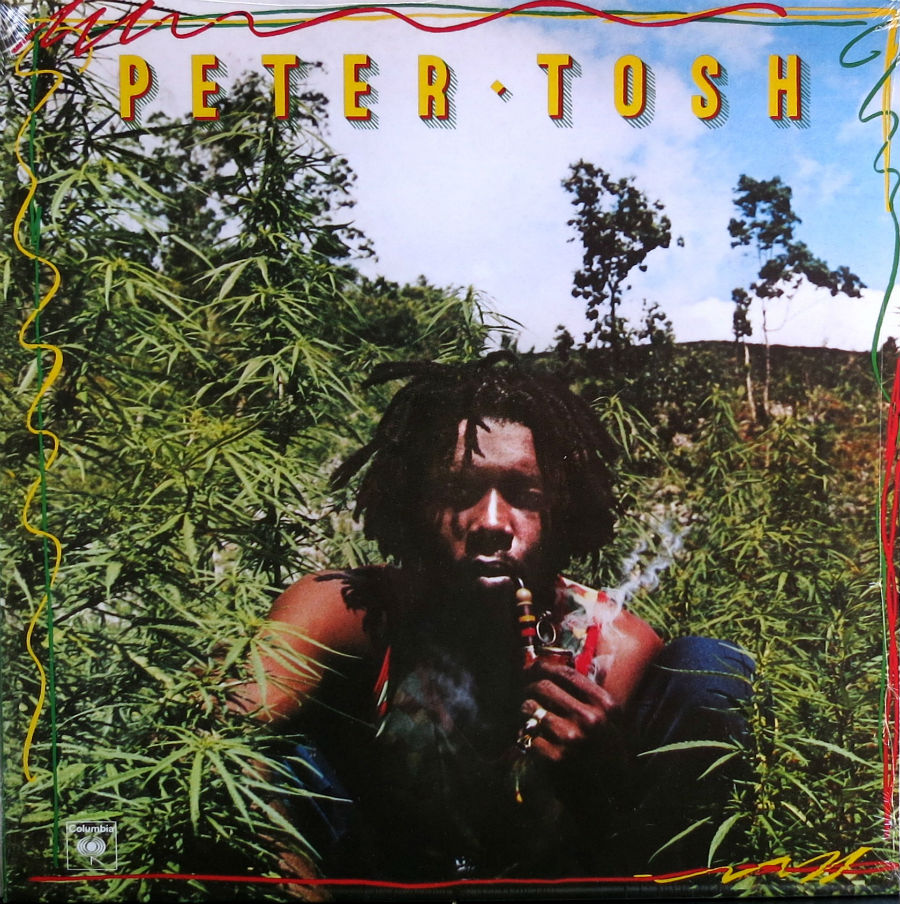
Born Winston Hubert McIntosh on October 19, 1944, in Grange Hill, Jamaica, Peter Tosh helped build one of the most loved groups in music history. As a core member of the Wailers from 1963 to 1976, standing right beside Bob Marley and Bunny Wailer, his guitar, his harmonies and his songwriting helped carry Jamaica's sound to the whole world. They called him the Stepping Razor — sharp, quick, and impossible to ignore.
In 1976 he stepped forward with Legalize It, a solo debut bursting with confidence and joy in his craft. The title song became an anthem sung on every continent, and the great albums kept coming: Equal Rights (1977), Mystic Man (1979), Wanted Dread and Alive (1981), Mama Africa (1983). A voice this big was always meant for center stage.
Then came a chapter nobody could have predicted. Bush Doctor (1978) arrived on Rolling Stones Records, with Mick Jagger trading verses with Tosh on “(You Gotta Walk) Don't Look Back” and Keith Richards playing guitar on “Bush Doctor” and “Stand Firm.” Underneath it all, Sly and Robbie — Jamaica's finest rhythm section — kept the groove deep and steady. Reggae royalty and rock royalty on one record: pure celebration.
The honors followed the music. Captured Live earned a Grammy nomination in 1985, and No Nuclear War won Best Reggae Recording at the 1988 Grammy Awards. From Grange Hill to the Grammy stage — the Stepping Razor had arrived, every bit as sharp as promised.
Will keeps Tosh close in the Vibe Machine: “Bush Doctor,” “The Poor Man Feel It,” and “Coming in Hot” from Wanted Dread and Alive — deep cuts and joyful ones, the kind that stay with you.
You gotta walk — and don't look back.
And the celebration is still growing. On Saturday, October 17, Negril hosts Peter Tosh's 82nd Earthstrong — fifty years of Legalize It — with Andrew Tosh and Anthony B among the performers, and a closing ceremony on October 19 at the Peter Tosh Memorial Garden in Belmont, on the Westmoreland ground he came from. Admission is free from 7 to 9 PM (after that, $25). Fifty years on, the music is still bringing people together. That's the win — and it's still winning.

“Legalize It” — the title song that started the solo run, fifty years young. Watch on YouTube

“(You Gotta Walk) Don't Look Back” — Peter and Mick Jagger together, the official video. Watch on YouTube

“Bush Doctor” — the title track, Keith Richards on guitar, one of Will's picks. Watch on YouTube
Some albums you hear. Some albums you live with — and then they find you again.
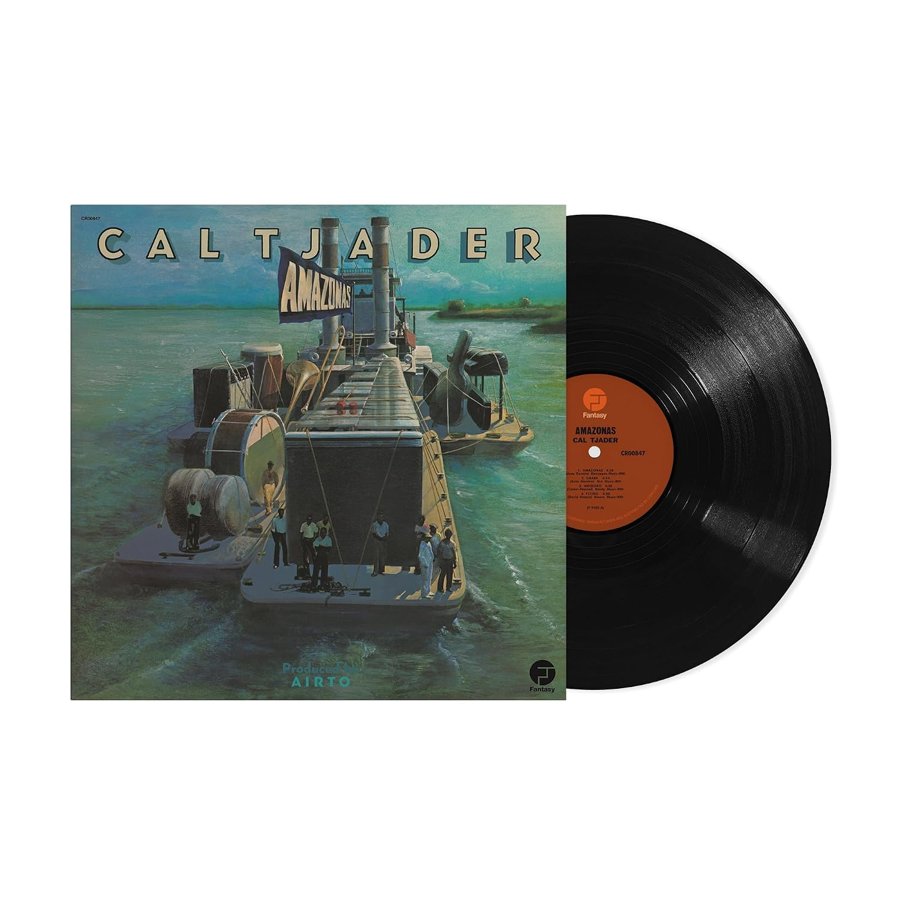 Will Boricua pick
Cal Tjader was the kind of musician who made that happen. A vibraphonist from the Bay Area who started as a drummer beside Dave Brubeck, taught himself the vibes, and became one of the first artists to bring Latin rhythms into jazz. By the mid-’50s he was leading his own quintet through the mambo scene; by the mid-’60s he'd scored a genuine radio hit with “Soul Sauce (Guachi Guaro)” — a Dizzy Gillespie tune his band cut under that name, and the whole country started saying it.
But the album that became Will's number one pick came later. In 1976, Tjader recorded Amazonas — and he didn't do it halfway. He brought in producer Airto Moreira, fresh from Miles Davis and Weather Report. He had George Duke writing the arrangements under the playful alias “Dawilli Gonga.” He filled the studio with Brazilian masters: Hermeto Pascoal on flute, Egberto Gismonti on keys, Raul de Souza on trombone. They recorded at Wally Heider's famous Los Angeles studio, and what came out was pure Rio meeting California — funk, Afro-Brazilian rhythm, and Tjader's shimmering vibes floating over all of it. The critics call it his most ambitious record. The cover has a boat on it.
“Amazonas,” the title track, written by João Donato. Press play and the synths wash in like heat off the water, then Cal's vibes come through — bright, unhurried, completely sure of themselves. It's the sound of somewhere beautiful that you can never quite reach, only remember.
And Will remembers. Back in the ’80s, up in the hills of El Yunque, his dad was the one playing this music — the whole album, front to back. That was the sound over there. Years went by before he heard it again, and when he did, it all came back. He went and found it. Because some music isn't just music — it's home.
That's why Amazonas is Will's number one pick. Not one song — the whole album.

“Soul Sauce (Guachi Guaro)” — the 1965 hit that started it all. Watch on YouTube

“Noa Noa” — Sergio Mendes' tune, all lush stereo vibes. Watch on YouTube

“Corine” — George Duke's tune, Hermeto's flute shining. Watch on YouTube

The whole Amazonas album — front to back, the way it was meant to be heard. Watch on YouTube
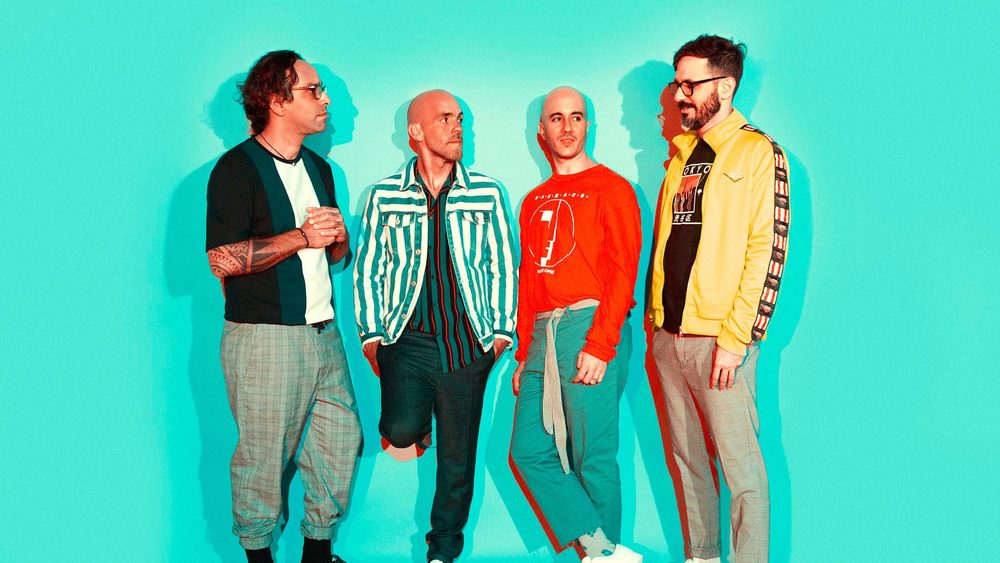
A band from San Juan that took Jamaican roots, sang it in Spanish, and carried it around the world — 25 years of conscious music from the island.
 Will Boricua pick
In 1996, four young musicians in San Juan, Puerto Rico — Willy Rodríguez, Eliut González, Omar Silva and Boris Bilbraut — started a band with a simple, powerful idea: reggae didn't have to come from Jamaica to be real. It could come from the island they called home, sung in the language they dreamed in.
Their 1998 debut, Canción de Alerta, was exactly what the title promised — a song of alert. “Despertar” asked listeners to open their eyes: to love their land, to defend their values, to create consciousness. It wasn't background music. It was a mirror held up to Puerto Rico, and the island saw itself clearly.
Every great band has one song that changes everything. For Cultura Profética, it's “Fruto de la Tierra.” The fruit of the land — a love letter to Puerto Rico itself, to the soil, the roots, the island that raised them. When this song plays, Boricuas everywhere feel it in their chest. It's the song that took them from a local band to a movement, the one the crowd sings back louder than the band. My favorite, and the reason the world knows their name.
What made Cultura Profética special was the balance. Yes, the message was conscious — but the music was pure warmth. Love songs like “La Complicidad” showed the tender side: romance with a reggae heartbeat, the kind of song that makes a whole room sway. They could wake you up and hold you close in the same set. Then came “Saca, Prende y Sorprende,” the song that turned them from Puerto Rico's band into Latin America's band — proof that a song in Spanish, with island soul, could travel everywhere.
Twenty-five-plus years in, the original fire is still there. Same message, same warmth, same pride. They never chased trends or watered down the sound. They just kept showing up — for the island, for the music, for the people who found themselves in the songs.
Boricua reggae, Boricua soul, Boricua pride.

“Fruto de la Tierra” — Will's favorite, the song that made the band. Watch on YouTube

“Despertar” — the wake-up call. Watch on YouTube

“Saca, Prende y Sorprende” — the signature, Latin America's anthem. Watch on YouTube
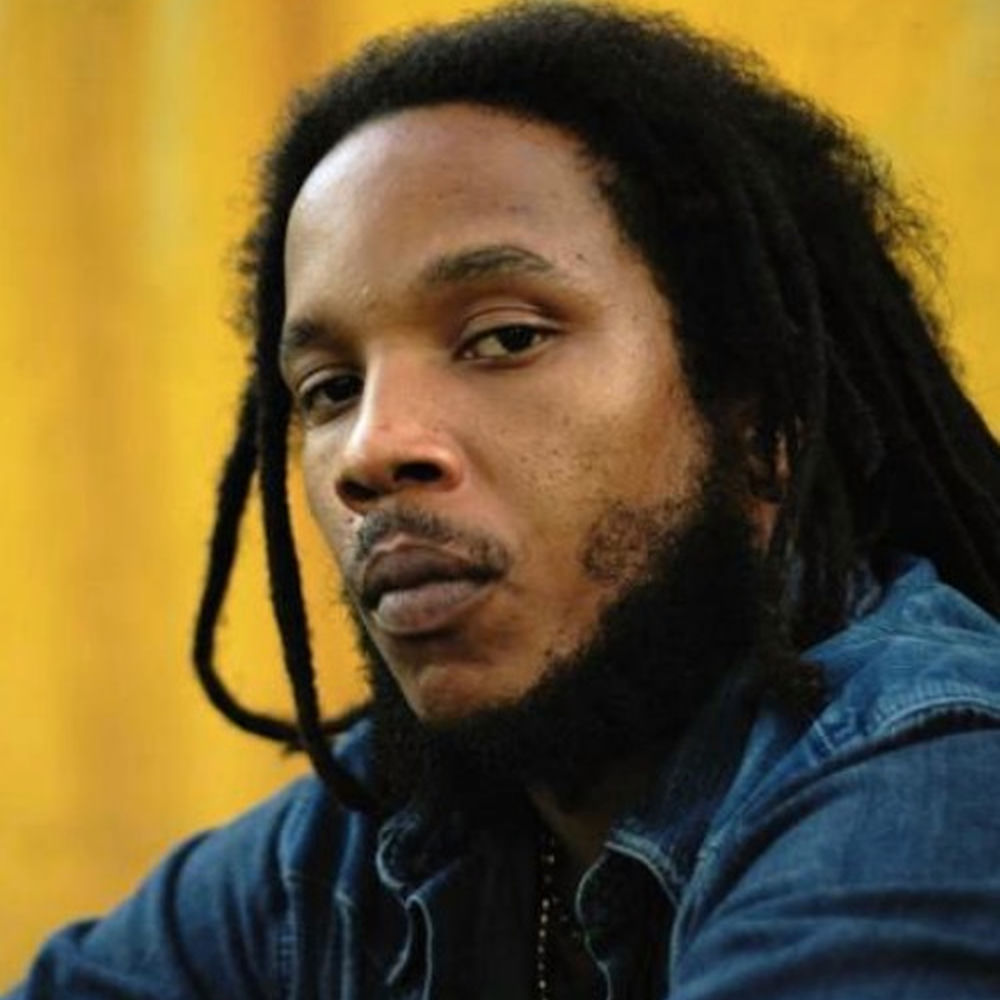
Some artists inherit a name. Stephen Marley inherited a mission — and he carries it with love.
 Will Boricua pick
Born to Bob and Rita Marley, Stephen grew up with music in the air he breathed. As a young boy he sang with the Melody Makers, lifting three Grammys alongside his brothers and sisters. Then he stepped behind the boards and became the family’s master builder, producing his brother Damian’s Halfway Tree and the world-shaking Welcome to Jamrock.
When his own moment came, he was ready. Mind Control (2007), Revelation Pt. 1: The Root of Life (2011) — he wrote them, produced them, played the instruments himself. Eight Grammys. Roots in his blood, the future in his hands. The quiet brother who became a giant, loving the music so completely it shines through him.
“Tight Ship,” with Damian. Press play and you feel it instantly — this is a song about winning, reaching your goals. Winning with love in your heart and your family beside you. It’s the sound of two brothers who love what they do so deeply the whole world had to stop and listen. Pure joy, pure confidence, pure Marley.
That’s why it lives on Will’s turntable. Love what you do, hold your family close, keep your life beautiful — and you conquer the world.
Still my heart has love.
Sunday morning. Coffee's hot, the sun's coming through the window, and somewhere a saxophone starts dancing. That's Spyro Gyra. That's “Morning Dance.”
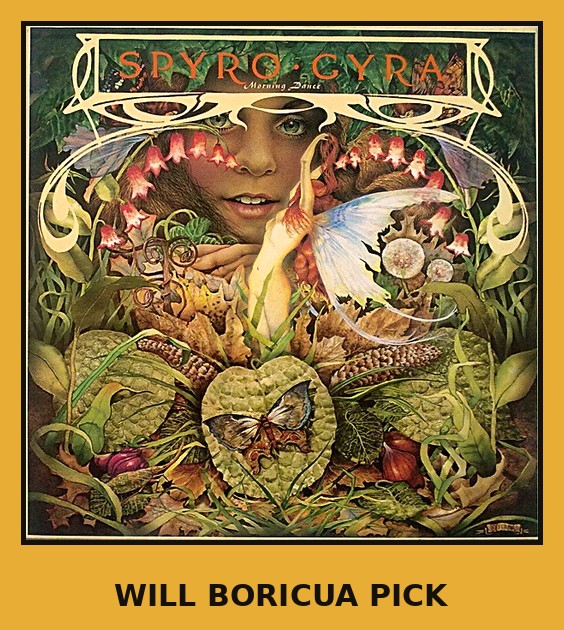
Sunday morning. Coffee's hot, the sun's coming through the window, and somewhere a saxophone starts dancing. That's Spyro Gyra. That's "Morning Dance." And that's exactly why they open my Smooth Sundays.
Back in 1974 in Buffalo, New York, a young sax player named Jay Beckenstein needed a name for his new band. He'd once written a college biology paper about spirogyra — a type of green algae, pond scum, basically. A club owner misspelled it on a marquee as "Spyro Gyra," and Beckenstein just… kept it. Fifty years later, that typo is on more than 30 albums.
In 1979 they released Morning Dance — the album and the single. The song floated up to #24 on the pop charts and all the way to #1 on the adult contemporary chart. The album went platinum. Before Kenny G, before the whole smooth jazz radio format even existed, Spyro Gyra had already drawn the map: jazz with R&B hips, funk in its pocket, and pop melodies you hum without meaning to.
Here's what gets me. Most bands with a 1979 hit are a nostalgia act. Spyro Gyra just kept going — 30+ albums, 10 million records sold, and they still play something like 100 shows a year. Beckenstein is still out there on sax, leading the band he started as a kid in Buffalo. That's not a career, that's a calling.
Because some music you listen to, and some music you live inside of. "Morning Dance" doesn't ask for your attention — it just makes the room feel better. That's the whole idea of a Smooth Sunday. Press play, breathe out, let Jay's sax do the talking.
“They took a biology-class typo and turned it into the sound of Sunday morning.”
1. "Morning Dance" — the one that started it all. Watch the video
2. "Shaker Song" — their first hit, all groove. Listen on YouTube Music
3. "Catching the Sun" — the follow-up, pure warmth. Listen on YouTube Music
Hear it, feel something? Come tell me about it — join the vibe on Facebook.
A soulful Jamaican singer who moved from rocksteady sweetness into deep roots — and left behind a catalog made for rediscovery.
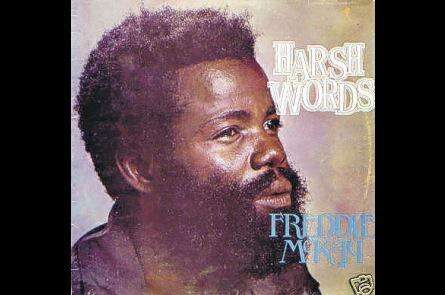
Born in Saint Catherine Parish, Jamaica, in 1947, Freddie McKay came up during one of the island's most fertile musical periods. He first recorded for Prince Buster in 1967. That same year, "Love Is a Treasure," made for Duke Reid's Treasure Isle operation, became his first hit.
McKay then found a strong home at Studio One with producer Coxsone Dodd and the Soul Defenders. Songs including "High School Dance," "Sweet You Sour You" and "Picture on the Wall" showed the quality that made him special: a smooth, vulnerable delivery that never sounded weak. AllMusic calls "Picture on the Wall" his biggest hit — decades later, it still feels intimate rather than dated.
Freddie McKay, released in 1977, was not a greatest-hits set at all; it contained new recordings. Creation followed in 1979. By 1983, Tribal Inna Yard placed him with the Roots Radics and engineer Scientist — a heavyweight setting for that soulful voice.
The 2023 reissue notes for "Inna Mi Yard" describe a song centered on roots, community, resilience and peace. That combination is exactly the Will Boricua lane: music with warmth and weight, not just a familiar hook. Don't treat it as a museum piece — let it breathe as a living record. The groove is steady, the message is grounded, and McKay's singing feels close enough to be in the room.
"I'm a Free Man" appeared on the 1974 album Lonely Man. Years later, the phrase returned as the title of McKay's final album, completed shortly before his death in 1986 and released posthumously in 1988. The later sessions brought together Channel One Studios, Sly and Robbie, Dean Fraser, Earl "Chinna" Smith and backing vocals from the Tamlins — a fitting final frame for an artist surrounded by major Jamaican musicians, yet still too easily missed by casual listeners.
He did not need to shout. The ache in his voice carried the message.
In 1976, McKay won Jamaica's Festival Song Competition with "Dance This Ya Festival," edging out Jacob Miller's "All Night 'Till Daylight." It was a major public triumph for a singer whose work could also live in more reflective spaces. As Jamaican music moved deeper into roots reggae, McKay moved with it — connecting rocksteady, roots and dub without losing the human feeling at the center.
The full songs behind Smooth Sundays. Slow it down, breathe out, let the horns do the talking.
Jazz, soul, and a softer landing for the week.


The anti-algorithm. Pick a mood — get a deep cut the algorithm would never show you. Every track handpicked by Will.
Tap the button. Trust the machine.
Going out? Live music around Grand Rapids, picked for your vibe — jazz nights, throwback parties, easygoing sets. Fresh picks every week.
Nov 6–Nov 8, 2026 · Grand Rapids area
The vinyl, instruments & gear picks live in the store now — all in one place.
Visit the StoreGet the new artist story and the week's picks. No spam, no algorithm.
Unsubscribe anytime. We never share your email.
Questions? Email me at will@willboricua.com
Prefer Facebook? Join the vibe on the page