Smooth Sundays · Artist Story 15
Mongo Santamaría: Mambomongo — The Conga That Brought Class
By William Rivera · Smooth Sunday, November 1, 2026
Today's Pick

Mambomongo — Mongo Santamaría, from Afro-Indio (1975)
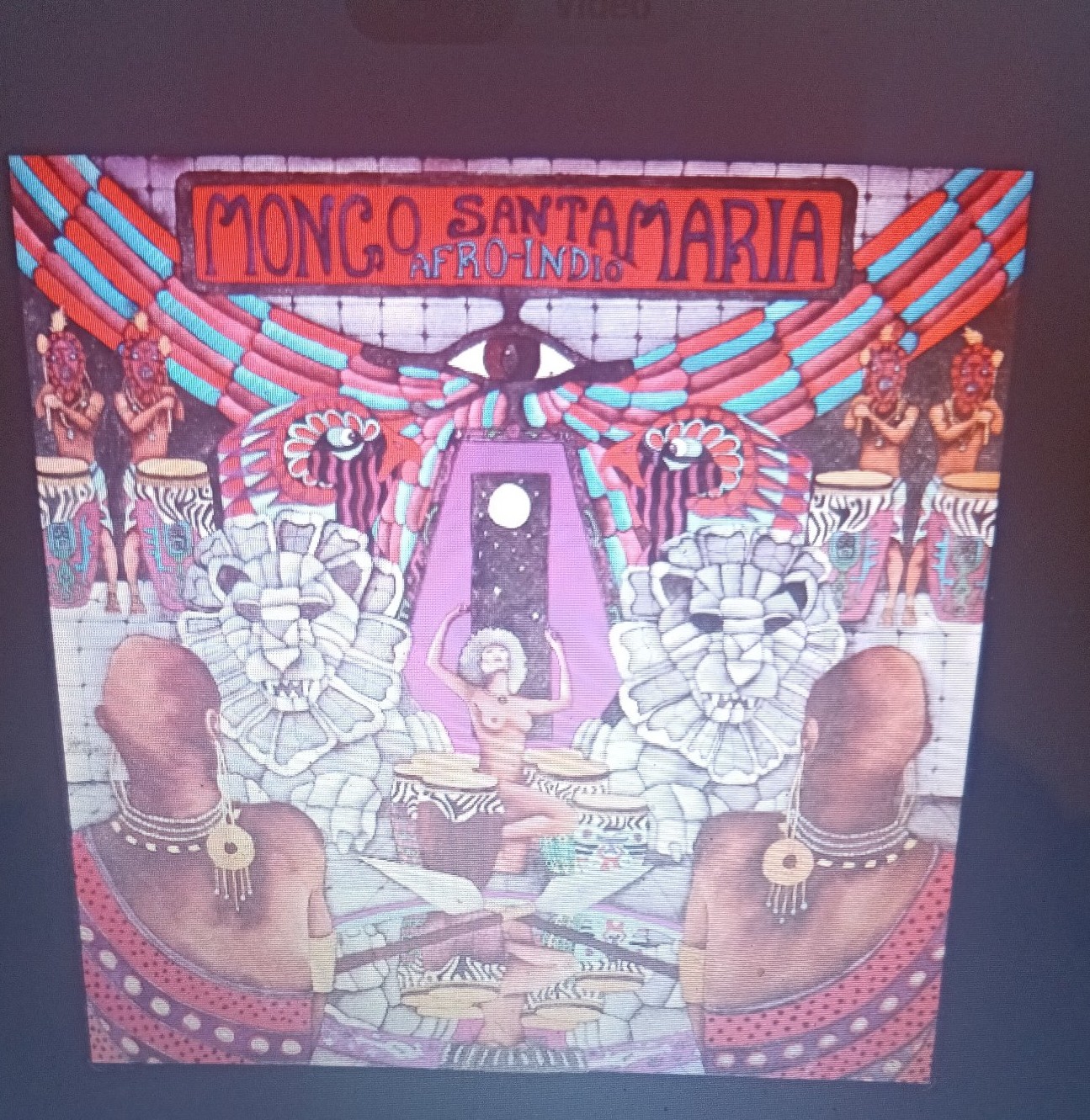
Mongo Santamaría is one of my favorite artists of all time. I play conga — my dad plays congas too. I just love his style. He takes our Latin rhythm, that Cuban rhythm, and mixes it with jazz. He brought class to mambo music.
The story behind the song
Ramón "Mongo" Santamaría was born in Havana in 1917 and grew up with the drums in his blood. He came up playing in the streets and the dance halls of Cuba, learning the deep Afro-Cuban rhythms that had been carried across the ocean generations before. By the time he reached New York in 1950, he carried something nobody in American jazz had ever heard up close — and he was about to change the sound of everything.
He started with the giants — Dizzy Gillespie, Tito Puente, Cal Tjader — but Mongo was never just a sideman. He heard how the conga could lead, not just follow. In 1959 he wrote "Afro Blue," and jazz had a new rhythm in its bones. That 6/8 groove — deep, rolling, ancient and brand new at the same time — became a standard. John Coltrane recorded it. Everybody recorded it. It started with Mongo's hands.
Then came 1963 and "Watermelon Man." Herbie Hancock wrote the tune, but Mongo heard the party inside it. His version — congas up front, the whole band swinging behind them — broke into the Top 10 and brought Latin soul to radios that had never played anything like it. He kept going for decades after that: the Fania years, the soul-jazz records, the return to his Afro-Cuban roots on albums like Afro-Indio. Through all of it, that touch never left — warm, deep, unmistakable. When Mongo played, the congas didn't keep time. They told the story.
He never stopped. From the dance halls of Havana to the jazz clubs of New York, from the Fania years to the soul-jazz records, Mongo kept playing for more than fifty years. The sound never changed and never got old, because it was never a fashion. It was the rhythm he was born with, played by hands that had been doing it since he was a boy in Havana.
"Mambomongo" comes from Afro-Indio, the 1975 album where Mongo came all the way home to his Afro-Cuban roots. The title says it plain — mambo and Mongo, the music and the man, in one word. It is Mongo doing what he always did best: taking the rhythm he learned in the streets of Havana and dressing it up in jazz, giving the conga the lead and letting the band follow. It is dance music and listening music at the same time, the sound of a master who had been playing for decades and still had something new to say.
One Good Song
One good song in your inbox, every week. No noise, just the music.
Unsubscribe anytime. We never share your email.
What to listen for
Listen for the congas first. In Mongo's music the conga is not in the back keeping time — it is out front, leading the band. Listen to the slap and the open tone, the way the hands talk to each other, the way the rhythm rolls forward without ever rushing. That is the 6/8 feeling he brought to jazz, the deep groove from Cuba that makes your body move before your mind catches up.
Then listen for how the jazz sits on top of it. The horns and the piano play the mambo, but they play it loose, the way jazz musicians play — stretching out, taking their time, answering the congas. That mix is what Mongo invented: our Latin rhythm and American jazz in the same song, neither one giving way, both of them better for it. On "Mambomongo" you can hear the whole thing in one track — the street, the dance hall, and the jazz club, all at once.
Listen for the space between the notes, too. Mongo never crowded the music. He left room for the band to breathe, for the piano to answer, for the horns to sing. That patience is what makes it classy — the mambo is hot, but Mongo plays it cool, and the cool is what lasts.
Why I picked it
I play conga. My dad plays congas too. So when I hear Mongo, I hear the instrument I love played by the best hands that ever touched it. He is one of my favorite artists of all time, and this is why: he took our Latin rhythm, that Cuban rhythm, and mixed it with jazz, and he brought class to mambo music. He made the conga a lead instrument. He made the whole world listen to it.
If you play conga, or if you just love the sound of real drums played by real hands, this is your song. Turn it up. Let the congas tell the story.
Three doors into Mongo Santamaría
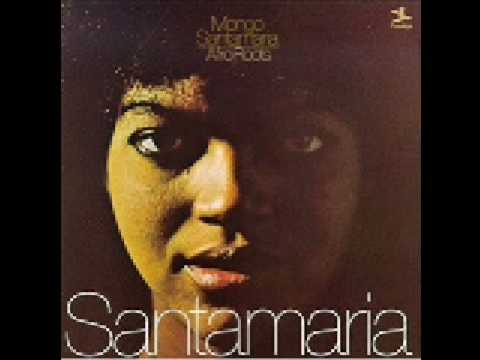
"Afro Blue" — the one he wrote — the jazz standard that started it all. Watch on YouTube

"Sofrito" — from 1976 — smooth, deep, and full of soul. Watch on YouTube

"Watermelon Man" — the 1963 hit — the groove that broke through to the Top 10. Watch on YouTube
Related reading
- Areyto — the ceremonial song and dance of the Taíno (Borikén)
- Batey — the ceremonial plaza (Borikén)
- Bomba y Plena: Puerto Rico's Roots Music
- Smooth Jazz Artists
In the store
If you like Mongo's Latin jazz, the Cal Tjader — Amazonas vinyl is in the store. Same spirit, Latin jazz that swings, from another master of the sound.
One Good Song
One good song in your inbox, every week. No noise, just the music.
Unsubscribe anytime. We never share your email.