Throwback Friday · Artist Story 11
Morodo: Divina Ciencia — Reggae Roots from Spain
By William Rivera · Throwback Friday, October 16, 2026
Today's Pick
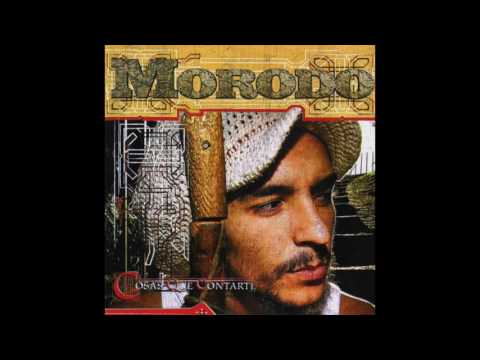
Divina Ciencia — Morodo, from Cosas Que Contarte (2004)
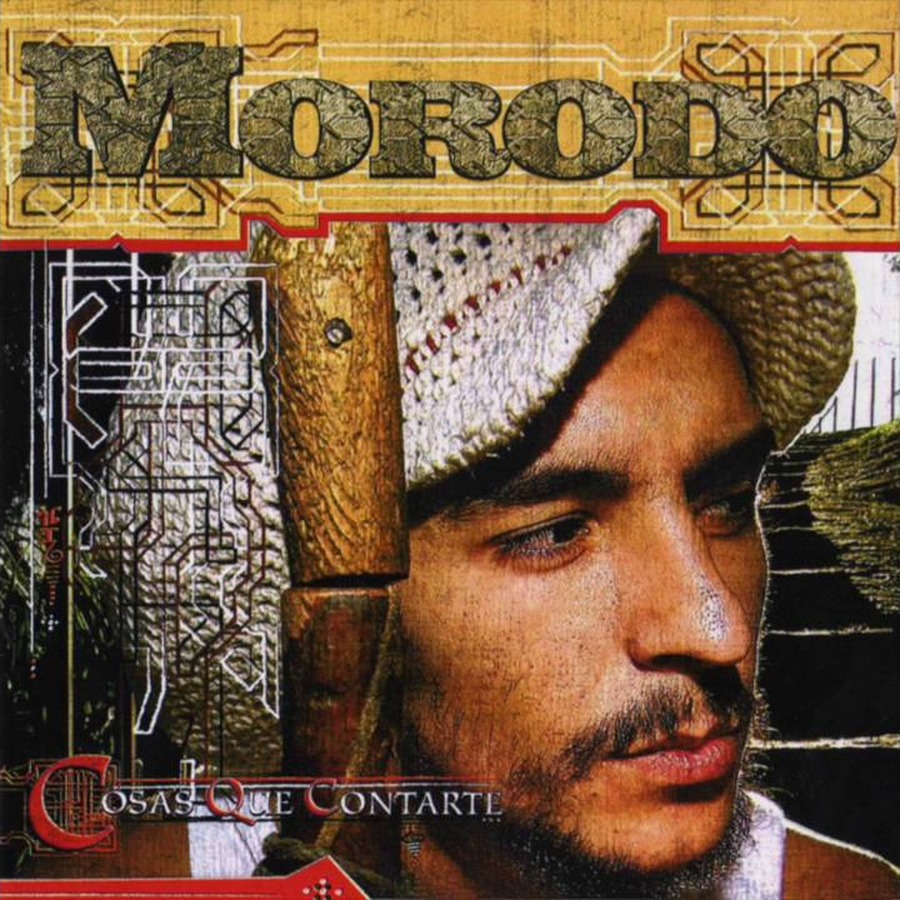
One of my favorite reggae artists — a kid from Madrid who took the sound of Jamaica and carried it all over the world.
The story behind the song
"Divina Ciencia" gives thanks for the gift of the music itself. It is from Cosas Que Contarte (2004), the album that carried Morodo to the world. The song is a prayer of gratitude — for the voice, for the riddim, for the music that found him as a kid in Madrid and never let go. When a singer stops to give thanks for the music, you know the music means everything to him. That is what this song is.
His real name is Rubén David Morodo Ruiz, born December 1, 1979, in Madrid, raised in the Alameda de Osuna neighborhood. At fourteen years old he was already standing out in hip hop jams all over Spain, because he carried two loves at once: rap, and the music of Jamaica. Two loves, one voice — and that voice would carry him further than anyone in his neighborhood could have guessed.
He came up with the OZM crew from his own neighborhood, cut his first record in 1999, and in 2001 released his solo debut, OZMLStayl. Then came the album that carried him to the world: Cosas Que Contarte (2004). It sold more than sixteen thousand copies and sent him on the road for years — Spain, Europe, Puerto Rico, and all through Latin America, where the Spanish-speaking reggae world claimed him as one of its own. His road work carried a mission, too: the One Love Tour set out to help the places that needed it most in every city he played.
His songs carry that same heart. "Yo me pregunto" asks the big questions. "Querido enemigo" reaches a hand out to an enemy. "Divina Ciencia" gives thanks for the gift of the music itself. The songs are not just for dancing — they are for thinking, for feeling, for reaching out. That is what roots reggae has always been: music with a message, music with a heart.
Five albums and dozens of collaborations later, from OZMLStayl to Luz (2020), Morodo stands as a founding father of reggae en español — a kid from a Madrid barrio who gave Jamaica's sound a Spanish voice, and carried it to millions. From the hip hop jams of Madrid to the stages of Puerto Rico and Latin America, he never lost the roots. He just gave them a new language to speak in.
One Good Song
One good song in your inbox, every week. No noise, just the music.
Unsubscribe anytime. We never share your email.
What to listen for
Listen for the style first, because his style is the whole story. They call it rap-ragga. One moment he is singing smooth over a heavy roots riddim, and the next moment the words come rapid-fire like a dancehall deejay, that raspy voice of his riding right on top of the bass. He took the styles of Jamaica and rebuilt them in Spanish, and he never lost the roots doing it.
Put on "La Yerba del Rey" or "Mas Yama" and you hear it in the first ten seconds: this man was born to ride a riddim. The bass is deep and steady, the drums are roots, and Morodo's voice moves between melody and fire without ever losing the groove. In "Divina Ciencia," listen for the gratitude in his voice — this is a man singing thanks for the music itself, and you can hear that he means every word.
Listen for the Spanish, too. Reggae was born in Jamaica, in English and in patois, but Morodo proved the sound belongs to anyone who feels it. His Spanish flows over the riddim like it was always meant to be there. The roots are Jamaican, the voice is Spanish, and the feeling is universal. That is what makes him special: he did not copy the sound, he carried it — and he carried it in his own language, to his own people, and then to the world.
Why I picked it
Morodo is one of my favorite reggae artists, and I can't fully explain why — you have to hear him. That's the truth of it. Some music you can explain, and some music you just feel. Morodo is the second kind. Put him on and the room changes. The bass hits, that raspy voice comes in, and suddenly you understand: this is reggae roots, straight out of Spain, and it is real.
He took the sound of Jamaica, a sound born on a small island, and carried it to Spain, to Puerto Rico, to all of Latin America, and gave it a Spanish voice without losing a drop of the roots. When a kid from Madrid can stand on a stage in Puerto Rico and the crowd knows every word, that's real. That's the music doing what music is supposed to do — crossing oceans, crossing languages, and bringing people together. Turn it up and let Morodo carry you.
Four doors into Morodo

01 · Querido enemigo — his biggest song — a hand reached out to an enemy. Watch on YouTube

02 · Yo me pregunto — the song that asks the big questions. Watch on YouTube

03 · Mas Yama — ten million plays and counting — pure Morodo style. Watch on YouTube

04 · La Yerba del Rey — an early anthem; hear the rap-ragga style in the first ten seconds. Watch on YouTube
Related reading
- Areyto — the ceremonial song and dance of the Taíno (Borikén)
- Batey — the ceremonial plaza (Borikén)
- Bomba y Plena: Puerto Rico's Roots Music
- Smooth Jazz Artists
In the store
If you like Morodo's reggae roots, the Cal Tjader — Amazonas vinyl is in the store. Same spirit, Latin jazz that swings, from another master of the sound.
One Good Song
One good song in your inbox, every week. No noise, just the music.
Unsubscribe anytime. We never share your email.